





Gas Fireplace Buying Guide — Vent Types, Sizing & What to Expect (2026)
Everything you need to know before buying a gas fireplace — vent types, sizing, fuel, what's actually in the box, and the mistakes that cost people money. 5-minute read.
1. Pick your vent type first
This decides everything else. Direct vent (sealed glass, vents through a wall or roof, legal everywhere, 70–85% efficient) is the modern default. Vent-free (no vent at all, so all the heat stays in the room, but prohibited in Minnesota, Wisconsin and New York City, barred from sale in California, and allowed in Massachusetts only with a fire-department permit, a CO detector and a 40,000 BTU/hr cap, never allowed in a manufactured home, and never permitted as your only heat source) is the budget/zone-heat play. Inserts retrofit your existing wood-burning fireplace. Electric needs no gas line at all. Full comparison: Direct Vent vs. Vent-Free.
2. Size by heat AND by the wall
Heat sizing: multiply room square footage by 20–25 BTU (mild climate, supplemental heat), 25–35 (average), or 35–45 (cold climate / primary heat). Add ~10% per foot of ceiling above 8 ft. Watch input vs output: spec sheets list input BTU — usable heat is input × efficiency. A 30,000 BTU direct-vent at 80% delivers ~24,000 BTU of real heat.
Aesthetic sizing: scale the fireplace to the wall. Traditional units run 30/36/42" glass; linear contemporary units run 36–74"+ wide with a low, wide ribbon flame. A 36" box disappears on a 16-foot great-room wall — that's what 60–72" linears are for.
3. Natural gas or propane?
Decide before you order. Many models ship configured NG or LP from the factory; others convert with a model-specific kit. Never run a fireplace on the wrong fuel. Rural home without gas mains? LP with a tank works great — just order the LP version.
4. Know what's in the box — and what isn't
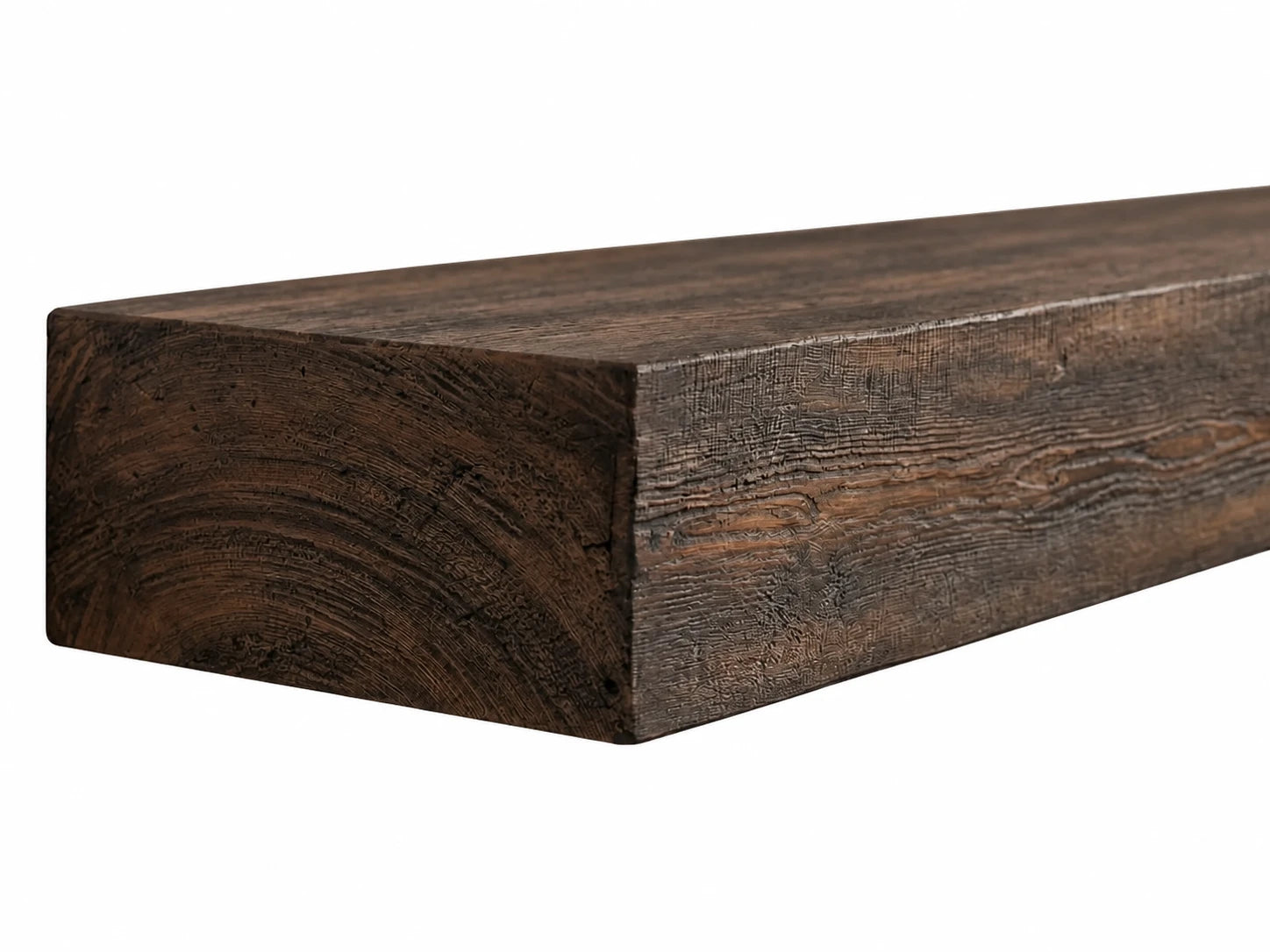
This is the #1 surprise in fireplace shopping: the fireplace, the venting, and the finishing pieces are usually separate line items. Depending on the model you may also need a required log set, liner, front/surround, or barrier screen. That's exactly why our product pages have a configurator — it adds each required step for your model so your order arrives complete, with nothing missing at install. Every "What's included / Good to know" section spells it out.
5. Think about the TV
Mounting a TV above? Check the model's TV/mantel clearance chart and look at heat-management options (Napoleon DHC, heat ducting kits) that redirect heat away from the wall above.
6. Budget realistically
Quality gas fireplaces from Empire, Majestic, Napoleon, and Superior run roughly $2,000–$4,500 for traditional models and $3,500–$8,000+ for large linear and see-through units — plus venting and finishing components, plus installation (licensed installer or plumber for the gas connection; typical installs run $1,000–$3,000 depending on venting complexity). Financing is available at checkout.
7. The mistakes to avoid
- Assuming vent-free is legal at your address. Minnesota and Wisconsin prohibit it, New York City prohibits it, California bars the sale of vent-free heaters, and Massachusetts allows it only with a fire-department permit.
- Comparing input BTU on one model to output BTU on another.
- Oversizing — a fixed-rate 40k BTU unit will cook a small den; look for modulating burners.
- Forgetting the required accessories (venting, log set, front) — use the configurator and it can't happen.
- Ordering the wrong fuel type.
Shortcut: the Fireplace Finder asks 6 questions and shows you models that fit your room, venting, and budget — takes about a minute. Prefer a human? Talk to a fireplace expert — it's free.