Skip to content

Steel Fireplace Doors

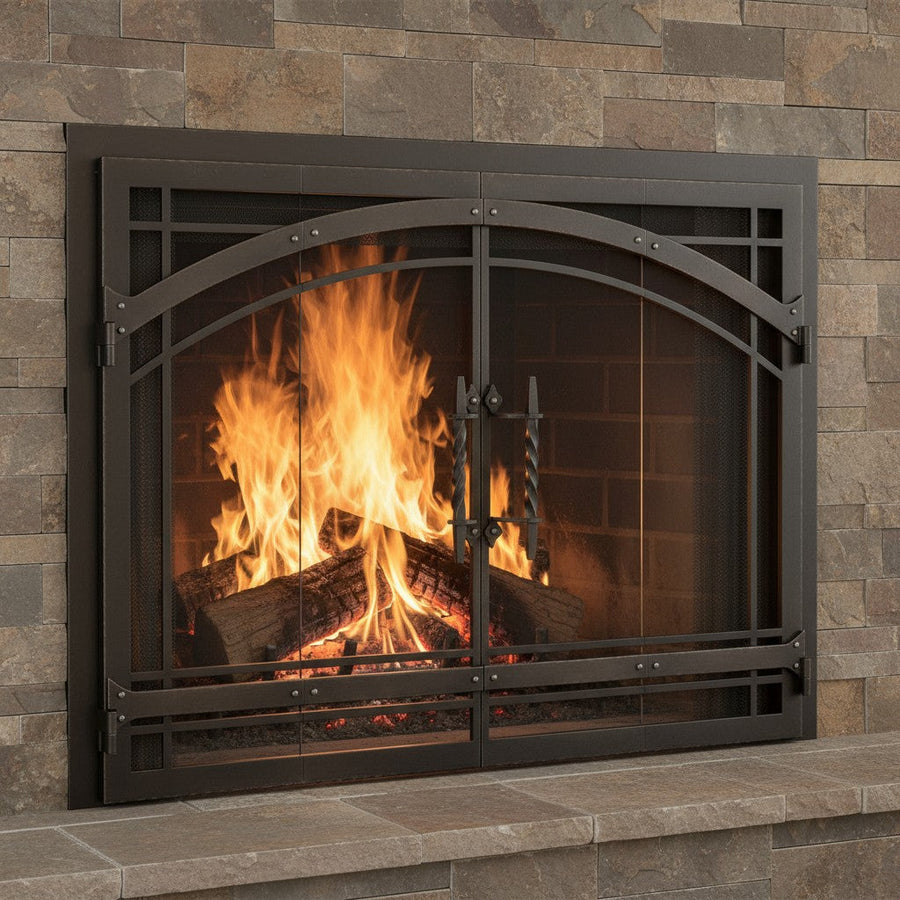
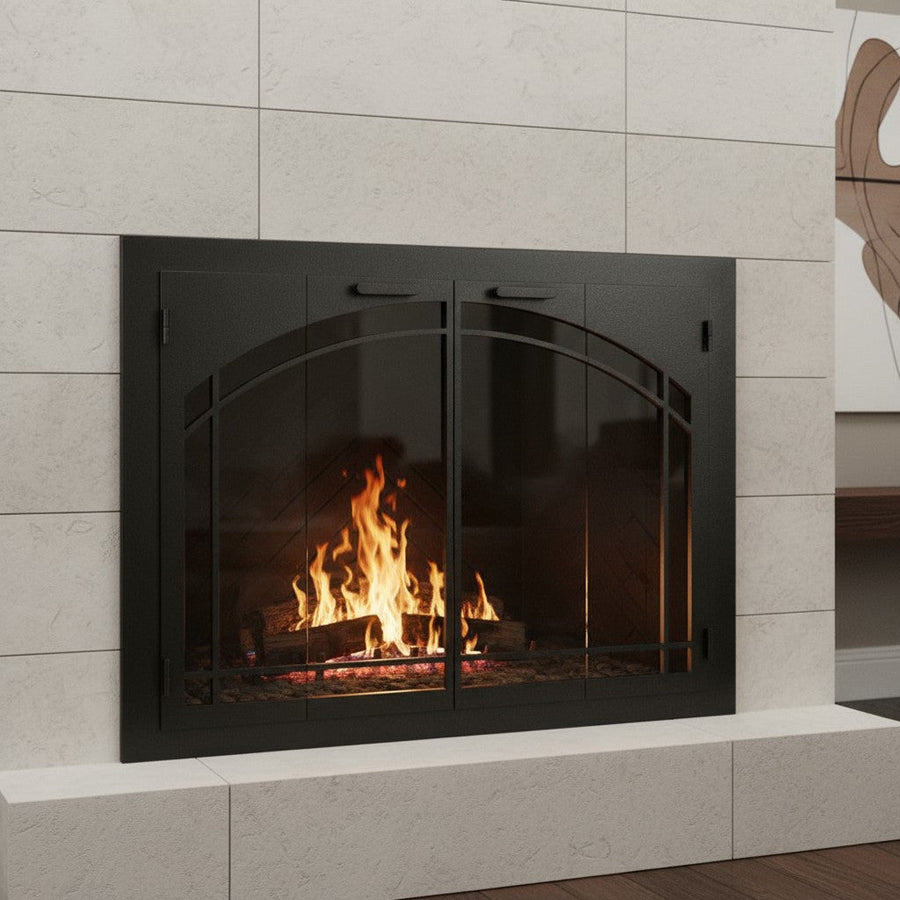
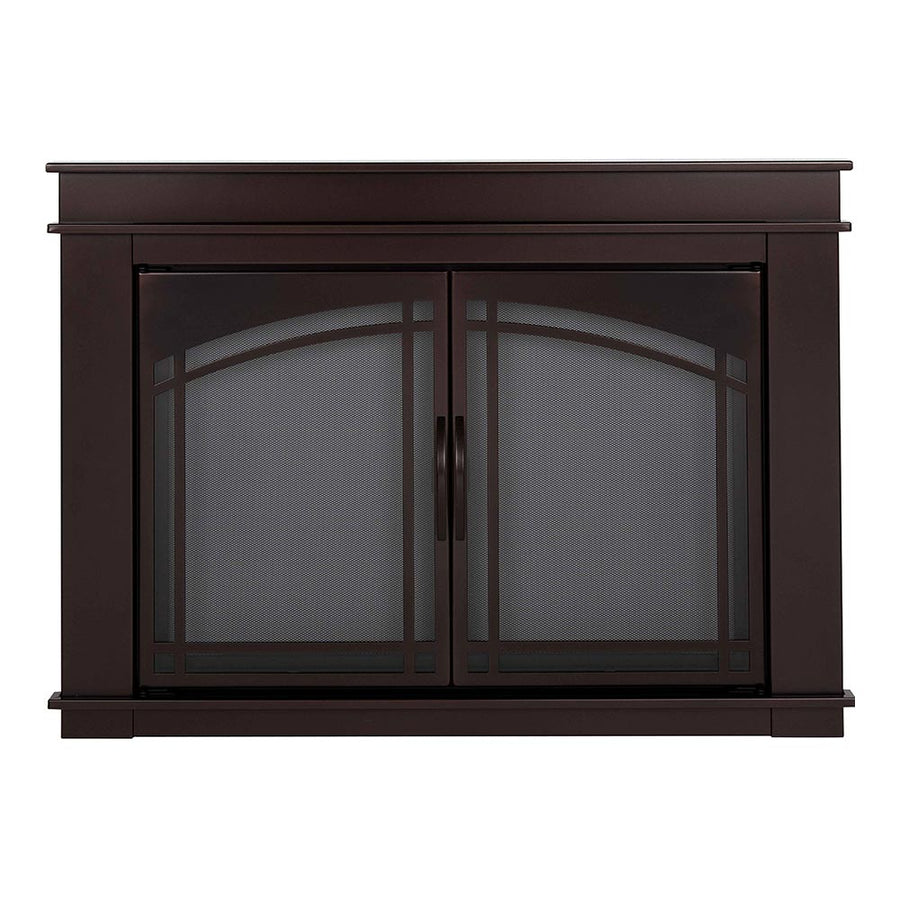
Heavy-gauge steel construction66 doors From $375

Heavy-gauge steel doors that resist warping and outlast cheaper alternatives — handcrafted in the USA.

4.9 · 560+ reviews 12,000+ fireplaces served
Already know what you want? How to Measure 2 min visual guide
Back to All Fireplace Doors Steel Fireplace Doors

Steel Fireplace Doors Products

Here to Help — Since 2014

Real People. Real Expertise. Every Order Reviewed.

Family-owned in Laguna Hills, California since 2014. Every custom order gets a real human fit review before production — so if something's off, we catch it. Questions before you buy? That's literally what we're here for.

Daniel Zajac

Daniel Z.

Senior Fireplace Specialist

10+ Years Experience

"Send me a photo of your fireplace. I'll tell you exactly what fits and why."

Beata Soja

Bea S.

Product Specialist — Masonry & Prefab

10+ Years Experience

"Not sure if yours is masonry or prefab? I can tell in about 30 seconds on a call."

Robert Soja

Robert S.

Fireplace Specialist & Technician

10+ Years Experience

"If your fireplace is unusual — arched, oversized, odd brick — that's my table."

Kendall Soja

Kendall S.

Order Concierge — Shipping & Warranty

Support Team

"I track your order from production to your doorstep. Anything weird, call me first."

Usually replies within 15 minutes during business hours.

Mon–Fri 8am–5pm PST · Sat 9am–2pm PST
Steel Doors Guide

Steel Fireplace Doors — Heavy-Gauge, Built to Last

Read the full guide

Why choose steel over aluminum?

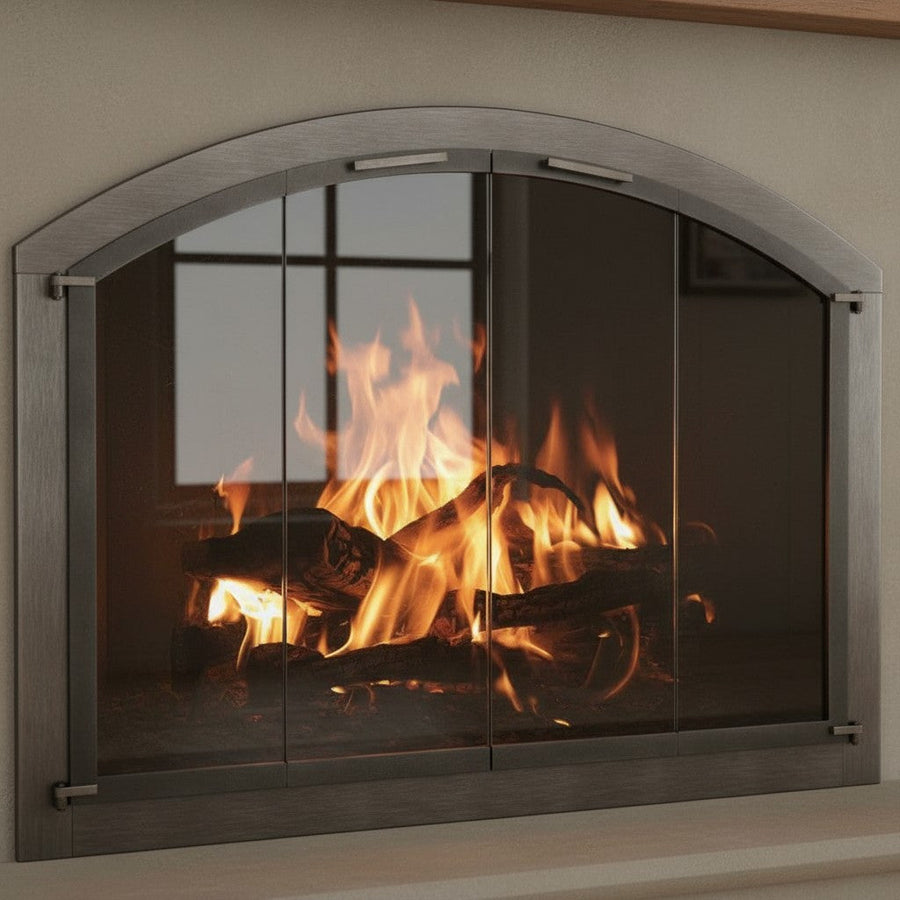
The metal your door is built from is the single most important fit decision, and it comes down to heat and weight. Steel is a denser, stronger alloy than aluminum. It tolerates higher surface temperatures and radiant heat, so a steel frame can be installed closer to an active fire without warping or discoloring over time. That makes steel the right call for true masonry fireplaces — the brick-and-mortar, full-burning wood fireboxes where heat is highest.

Steel also carries a heavier, more substantial feel in the hand. The frames are typically welded rather than mechanically joined, with thicker stock that holds tight tolerances and a forged, architectural presence at the hearth. If you want a door that looks and feels like permanent metalwork rather than a lightweight retrofit, steel delivers it.

Aluminum, by contrast, is lighter and naturally corrosion-resistant, and it suits prefab (zero-clearance) fireplaces — the factory-built metal fireboxes common in newer homes — where heat at the face is lower and weight matters more. If you're not sure which firebox you have, our team confirms it during your Fit Review at no charge.

Inside fit vs. overlap fit — and what to measure

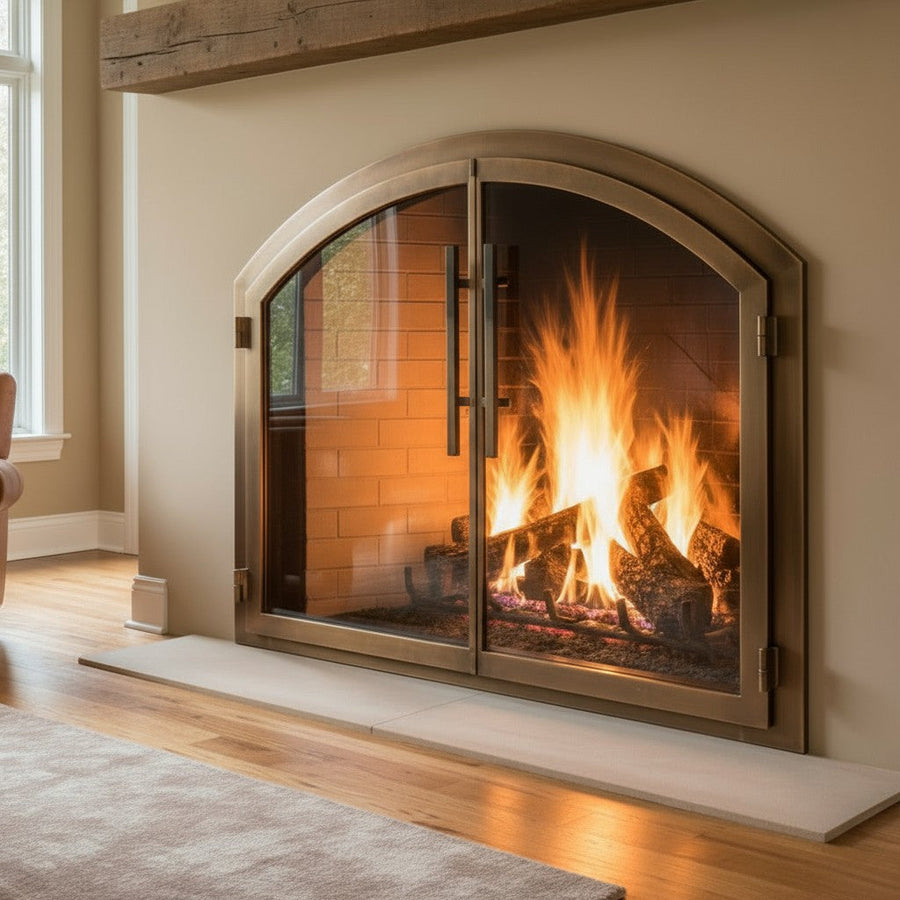
Every steel door is built to one of two mounting styles. Inside fit (recessed) sits inside the fireplace opening, flush with the masonry, for a clean built-in look. Overlap fit (overlay) mounts on the flat face around the opening and covers the edges, which hides uneven or chipped brick and is the more forgiving choice for rougher openings.

To get started, measure the width and height of your firebox opening at the top, middle, and bottom — masonry is rarely perfectly square, and we build to the real numbers. For overlap fit, also measure how much flat surface you have around the opening (you'll need clearance for the frame to seal against). Note the lintel (the steel or masonry bar spanning the top of the opening) and any damper handles that protrude, since they affect door height and clearances. You don't need to be precise to the millimeter to shop — send us rough numbers and a photo, and the Fit Review handles the rest.

Custom-built to your opening

These are not stock sizes pulled off a shelf. Most steel doors here are made to order, sized to your exact opening within the model's range, and many handle large and oversized masonry fireplaces that off-the-shelf doors can't cover. Frame finishes, glass, and mesh options vary by model, so each product page shows what's available for that door.

Who steel is for

Choose steel if you have a wood-burning masonry fireplace, want maximum durability against high heat, prefer a heavier welded frame, or are matching an existing wrought-iron or forged aesthetic. If you have a prefab metal firebox or want the lightest possible door, compare our aluminum collection instead.

Buy with confidence

Custom sizing makes some buyers nervous — that's exactly why every order includes a free Expert Fit Review before fabrication. A specialist checks your measurements, confirms your firebox type, and verifies inside vs. overlap fit so the door arrives ready to install. It's the safeguard that lets you order a fully custom steel door without the guesswork.

Related collections & guides

Frequently Asked Questions

What gauge steel are fireplace doors made from?

Our steel doors use 7-gauge cold-rolled steel frames from Stoll Industries in Pennsylvania — roughly 3/16 inch thick. That's twice as heavy as economy-grade doors and rated to withstand the thermal stress of a 2,000°F house fire without warping.

Is steel better than aluminum for fireplace doors?

For masonry fireplaces, yes. Steel weighs more, holds its frame straight under heat, and accepts powder coat at 400°F without distortion. Aluminum is lighter (better for some prefab applications) but warps faster under sustained heat and flexes at the welds.

How is the steel frame finished?

Frames are sandblasted, primed, and powder-coated at 400°F in the factory — not painted. Powder coat bonds chemically to the metal and resists chipping, fading, and rust. We carry 21+ powder-coat finishes plus premium plated options like polished brass and antique copper.

Do steel doors rust?

Powder-coated steel doors don't rust under normal indoor use. Outdoor or screened-porch installations should specify our weather-rated coatings — humidity and salt air can degrade standard powder coat over 5-7 years. Inland indoor doors typically last 20+ years without rust.

How heavy is a steel fireplace door?

A standard 36×26 overlap-fit steel door weighs roughly 45-60 lbs. Larger custom doors (42×32 and up) can hit 80-90 lbs. Plan for a second person during install — masonry doors need to be held flush to the brick while the first person marks anchor points.

Are steel doors compatible with gas logs?

Yes — vented gas logs require doors fully open during burn (any frame material). Vent-free gas logs require doors open at all times per code. Our steel doors meet UL and ANSI requirements for both. Confirm with your gas log manufacturer's install manual.

Ready to find your match?

Talk with a fireplace specialist — free 15-minute consultation.