


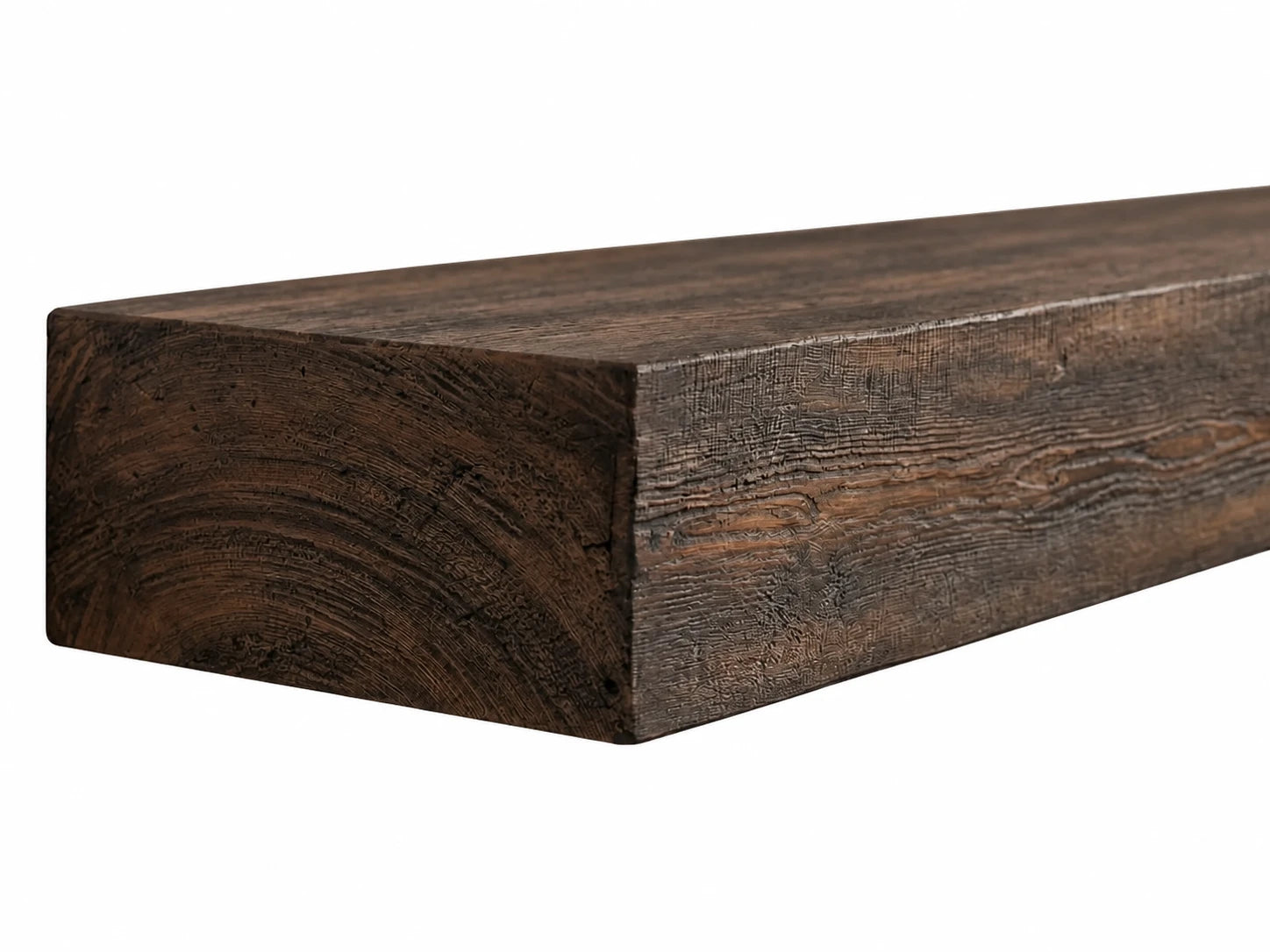



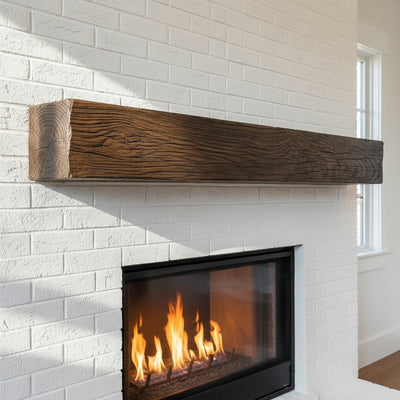
Cast concrete
Non-combustible
For timber grain, knots and saw marks, or a cast stone look. Each style has its own depth and front height.
Explore concreteMantel buying guide
Choose a material you like, work out the size and plan where it will sit. Here’s what to check before you order.
01 · Choose the look
Non-combustible
For timber grain, knots and saw marks, or a cast stone look. Each style has its own depth and front height.
Explore concrete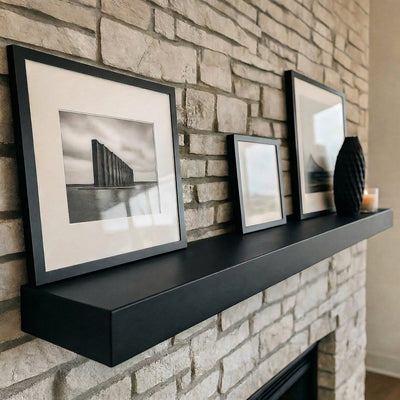
Check the model’s construction
A floating metal shelf with painted, hand-finished or wood-grain looks. Custom dimensions vary by model.
Explore steel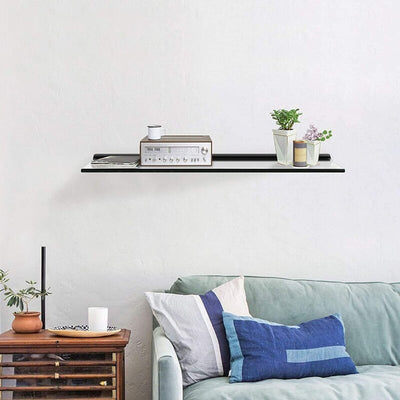
Non-combustible
A lighter visual presence above the fireplace. Compare the glass finish, shelf depth and mounting profile.
Explore glass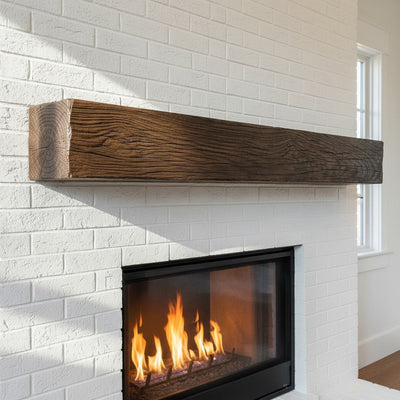
Combustible
For actual wood grain and a traditional shelf. Its depth affects how far it needs to sit above your fireplace.
Explore woodA wood-grain finish can be made on metal or cast concrete. A shelf with actual wood inserts is different—check the selected product’s materials.
02 · Work out the size
03 · Plan the heat and the view
A properly sized and positioned non-combustible shelf redirects rising heat out into the room, helping reduce the heat reaching the screen above. The shelf depth and mounting height both matter.
Our specialists can help you plan the layout. Your installer should follow the fireplace’s clearances and confirm that the temperature at the TV stays within its manufacturer’s limits.
Non-combustible describes the material; it does not set a single mounting distance for every fireplace. Keep your fireplace make and model handy when comparing shelves.
04 · See the finish at home
Look at it in daylight and with your room lights on. Hand-painted finishes vary; a sample gives you a reference for the color and texture.
Choose the exact finish in the steel mantel builder’s “Order finish samples” section.
Choose steel samplesChoose a sample board for your preferred color. Check that the finish is available for the mantel style you want.
Choose concrete samplesSelected Lexington cast mantels can be ordered in a shorter length, but their depth, height and shape are fixed by the mold. For a shallower shelf, choose a different profile. Some longer designs use extensions with visible joins or decorative brackets.
Steel options vary by model. Send us your desired length and depth so we can confirm how your chosen mantel would be made.
The bracket needs suitable framing or solid masonry and fasteners matched to that wall. Drywall or decorative stone facing alone isn’t enough. Give your installer the exact mantel model, its weight and a photo of the wall before planning the mounting.
Lexington installation guides cover the relevant mantel systems. For other brands or wall types, ask us for the instructions for your model.
Have a fireplace photo, the make and model, and your preferred shelf length and depth ready. Planning a TV above it? Include the TV model and where you want it to sit.