





How to Measure Your Fireplace for Gas Logs
Four measurements to help you choose gas logs for your fireplace.
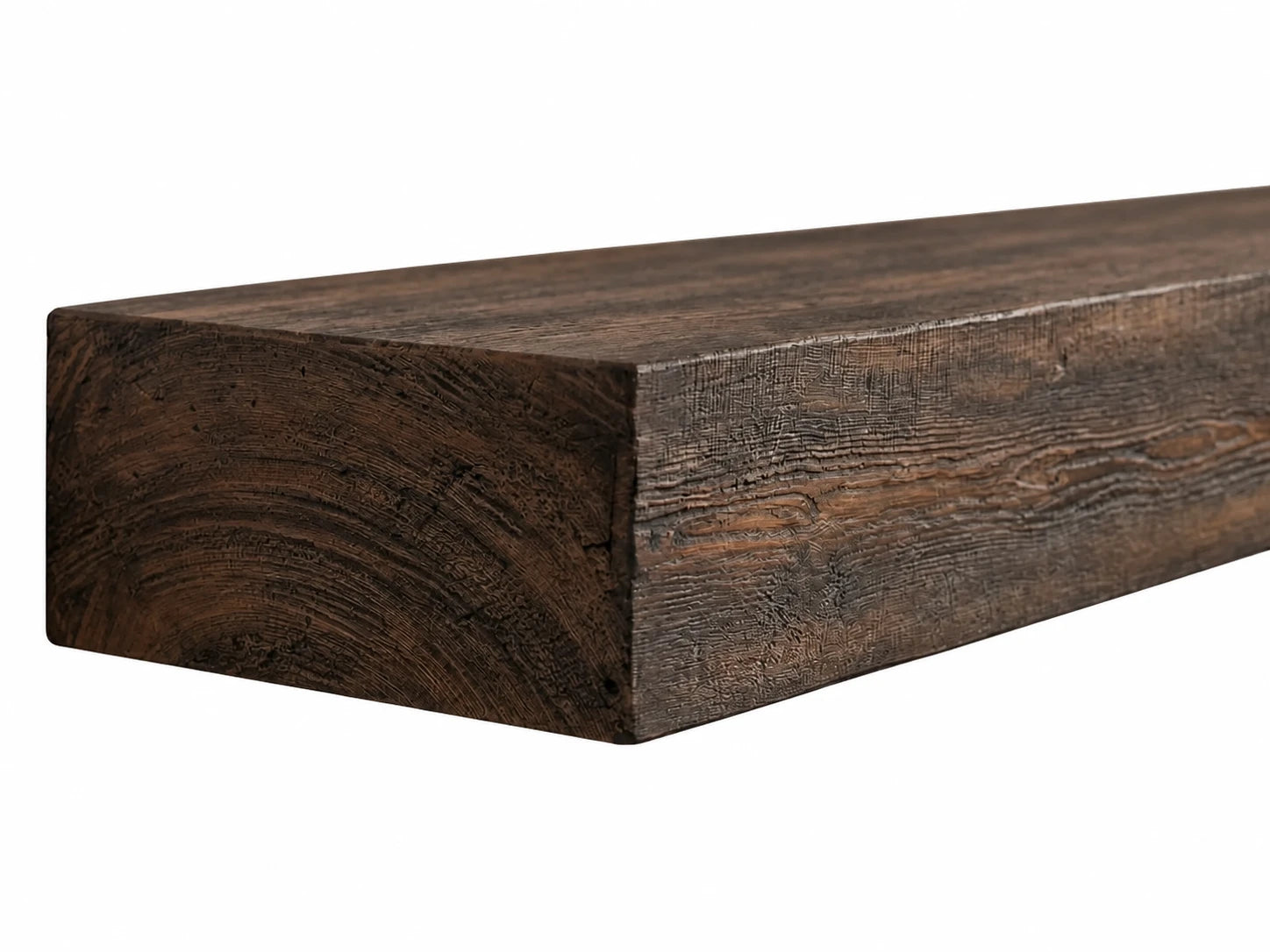
Product example: Arizona Weathered Oak gas logs. Use the measurement guide below to record your fireplace dimensions.
Watch on YouTubeFour Measurements You Need
With the fireplace off and cool, measure the usable firebox space and record the dimensions in inches. Include fractions.
Front Width
Inside the firebox, measure left wall to right wall at the front opening.
Rear Width
Measure the back wall, left to right. Many fireboxes taper — back is narrower than front.
Depth
Measure the usable front-to-back space. Note any raised hearth lip or obstruction that reduces burner space.
Opening Height
Top of the opening to the floor of the firebox. Verifies clearance for taller log stacks.
Keep Your Measurements Together
Enter all four dimensions, then compare them with the minimum firebox dimensions for the burner and controls you choose.
Your Fireplace Measurements
Pro Tips Before You Order
Check the complete burner setup
The size printed on a log set is not its minimum fireplace width. Compare all four measurements with the chart for the selected burner, fuel and controls.
Start with your fireplace type
Vented logs need an approved wood-burning fireplace and working chimney. Vent-free logs need an approved firebox, suitable room ventilation and permission under local requirements.
Need help comparing sizes?
Send us the measurements, a photo and the fireplace model if available. Our team can help you compare compatible burner and log options.
Common Questions
What if my fireplace isn't square?
Record both front and rear widths, along with depth and height. A tapered firebox must meet each dimension in the selected burner’s installation chart.
What's the smallest fireplace that fits gas logs?
There is no single minimum for every gas log set. Burner design, controls and log arrangement change the required space. Share your dimensions so we can help compare suitable models.
Can I install gas logs in a wood-burning fireplace?
Many wood-burning fireplaces accept gas logs. Check the fireplace manual and the selected burner’s requirements together. A sealed gas fireplace is not automatically suitable for an aftermarket gas log set.
Do I need a professional installer?
Have a qualified gas installer check the fireplace, gas supply and clearances and install the system. The logs and media must follow the manufacturer’s placement diagram.
Will gas logs damage my chimney?
A vented gas log installation needs a suitable, inspected chimney and an open damper during use. Have your installer check the chimney and follow the maintenance schedule for the system you choose.